







Search Results for: Coffee Region Comparison
Ethiopia Hambela Region Natural Coffee Beans: Flavor Analysis and Brewing Guide—From Huakui to Small-Bean Huakui Comparison
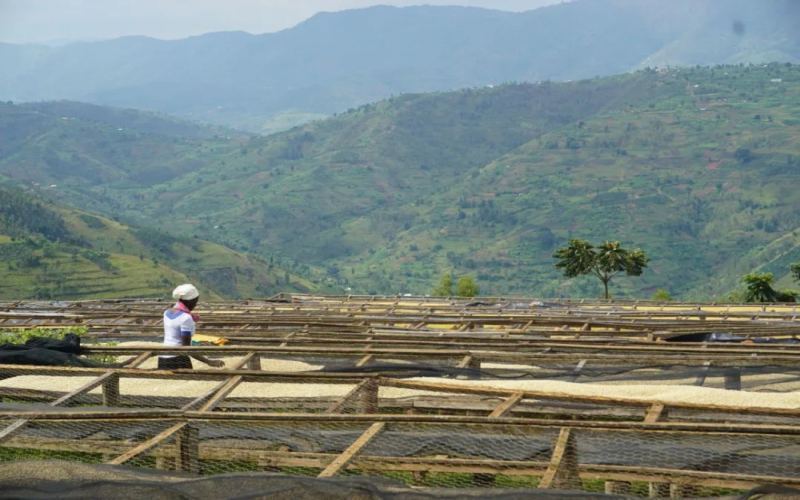
Located in Hambela within the Guji region of Ethiopia, it is the highest-altitude coffee sub-region in the country, where humus-rich reddish-brown soil and pronounced day-night temperature differences nurture sun-dried coffee with a distinctive flavor. In 2017, a sun-dried lot from DW Company's Buku Abel processing station won the TOH championship and, after being introduced to China, was named "Huakui" (Flower魁), drawing widespread attention ever since. As the processing station expanded and harvest seasons changed, the Huakui series has been updated year by year, while Small-Bean Huakui, due to independent processing, displays a strawberry-cream profile closer to the original 2017 flavor. This article starts from the region's background, processing methods, and the naming logic of Huakui, and combines Front Street Coffee's cupping and pour-over comparisons to analyze in detail the differences between Small-Bean Huakui and Huakui 8.0 in aroma, acidity, sweetness, and aftertaste, along with complete brewing parameters, offering a reference for coffee enthusiasts. [more…]
An Analysis of the Flavor Differences Between Ethiopian Guji and Sidamo Coffee: A Taste Comparison of Huakui and Zhumang
Ethiopia, as the birthplace of coffee, boasts many well-known producing regions, among which Guji and Sidama have attracted increasing attention from domestic coffee enthusiasts in recent years. Since Guji was independently recognized as a producing region by the ECX in 2010, it has risen rapidly thanks to its superior geographical location and cup performance, while Sidama is renowned for its clear fruity acidity and smooth mouthfeel. This article will conduct an in-depth comparison of the flavor characteristics of these two regions, and provide a detailed analysis of representative bean varieties—Huakui and Zhumang—covering their green bean appearance, processing methods, and cupping performance, to help readers more clearly understand the regional flavors of Ethiopian coffee. [more…]
Yirgacheffe Kochere G1 vs G2 Comparison: A Detailed Explanation of Green Bean Grading, Roasting Curves, and Cupping and Pour-Over Flavor Differences
The Yirgacheffe region of Ethiopia is famous for its unique flavors, and among them the high-altitude washed beans from Kochere are highly favored by coffee lovers. But what exactly is the difference between G1 and G2 grades from the same region? This article starts with two washed Yirgacheffe coffees from Front Street Coffee, and combines ECX grading standards, green bean appearance, roasting curves, cupping, and pour-over performance to compare in detail the differences between G1 and G2 in defect rate, bean uniformity, aroma layering, and cup cleanliness, helping readers understand the specific impact of grade classification on flavor, with complete brewing parameters and flavor descriptions included. [more…]
A Complete Guide to Ethiopia's Sidamo Region: Washed and Natural Processing, Flavor Comparison, and Front Street Coffee Buying Guide
Sidamo is one of the most notable coffee-producing regions in Ethiopia, ranking alongside Yirgacheffe, and is known for its floral aromas, citrus notes, and smooth acidity. This article will guide you through Sidamo's geographical environment, annual production, green bean appearance characteristics, and the impact of both natural and washed processing methods on flavor and export grades. It also explains in detail the export grade and roasting recommendations for Front Street natural Sidamo, and includes complete product information for Front Street Coffee Ethiopian Sidamo coffee beans, including region, altitude, variety, and flavor description—ideal for coffee enthusiasts who want to gain a deeper understanding of this classic region. [more…]

2021 Crop Huakui 5.0 vs. Small-Bean Huakui Coffee Comprehensive Review: Green and Roasted Bean Identification, Cupping Flavors, and Pour-Over Performance Comparison
The 2021 new-crop Huakui 5.0 coffee beans have arrived at the port. Front Street Coffee immediately carried out roasting and cupping, and specifically conducted a comparison with its own beloved small-bean Huakui coffee beans. This article will guide you through the evolution of the Huakui series from the 2017 TOH champion beans to Huakui 5.0, and explain why small-bean Huakui stands independently outside the X.0 series. Then, through a visual comparison of green beans and roasted beans, differences in cupping flavors, and performance under a unified pour-over recipe, it will present in detail the characteristics of the two beans: small-bean Huakui is closer to the rich strawberry-cream profile of the classic 2017 Huakui, while Huakui 5.0 shows brighter berry acidity and floral notes. Whether you are a Huakui enthusiast or are currently selecting new-crop beans, this review can provide practical reference. [more…]
Ethiopia TOH Double Champion Comparison: Flavor Analysis of Yirgacheffe Aricha Natural and Guji Uraga Washed
The Ethiopian TOH (Taste of Harvest) competition is known as Africa's coffee "Cup of Excellence," and each year its winning beans represent the highest standard of their producing regions. The 2019 natural category champion, Aricha, and the 2020 washed category champion, Uraga, were both introduced to the domestic market by Front Street Coffee. They come from the well-known regions of Yirgacheffe and Guji respectively, and their processing methods—one natural, one washed—give them completely different flavor profiles. This article will provide a comprehensive comparison of these two champion beans, covering producing region background, processing technique, variety characteristics, roasting curve, cupping, and brewing, to help coffee lovers understand their respective style positioning and suitable audiences. [more…]

Yirgacheffe Washed vs. Natural Processing: Flavor Comparison, Pour-Over Parameters, and Coffee Bean Buying Guide
The Yirgacheffe region of Ethiopia is famous for its distinctive fruity and floral acidity, while the washed and natural processing methods give the coffee beans two completely different flavor directions. Washed Yirgacheffe has a clean, bright cup with lemon-citrus and jasmine notes; natural Yirgacheffe presents the fermented sweetness of ripe fruit and a fuller, juicier body. This article will start with the processing techniques, regional characteristics, and methods for identifying green and roasted beans, provide a detailed analysis of the flavor differences between the two processing methods, and include Front Street Coffee's three-stage pour-over parameters and a brewing comparison to help coffee lovers make a choice based on their personal preferences. [more…]
Comparison of Sun-Dried Coffee from Costa Rica's Three Major Regions: Analyzing the Flavor Differences Between Tarrazú, the Western Valley, and the Central Valley
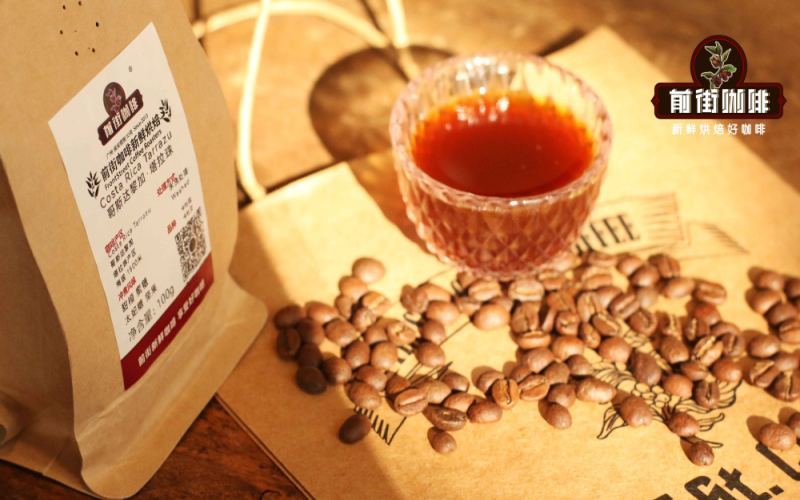
Front Street Coffee has previously compared the differences among coffees from various Kenyan regions using the same processing method; this time, we turn our attention to Costa Rica. Also using natural processing, how much will the flavors differ among coffees from three major regions—Tarrazú, the Western Valley, and the Central Valley? This article will compare three beans—from the Pirong Processing Plant, Genesis, and Black Soul—one by one, from bean background, green bean appearance, and roasting curves to cupping and pour-over performance. If you haven't yet tried Costa Rican specialty coffee, you might start with the classic Front Street Tarrazú washed Caturra and savor its soft aroma of sweet orange, nuts, and chocolate. [more…]
Geisha vs. Yirgacheffe Flavor Comparison: Washed Yirgacheffe Konga Cooperative Coffee Bean Analysis
Yirgacheffe and Geisha—one is the classic entry point for coffee lovers, the other an expensive legend in the coffee world. Both are known for their floral aromas and fruity acidity, yet they have vastly different prices and flavor profiles. This article starts with Front Street Yirgacheffe Konga Cooperative, outlining the background of Ethiopia's Yirgacheffe region and specific information about the Konga Cooperative, and compares the brewing performance and flavor trajectory of Front Street Panama Emerald Estate Green Label Geisha. If you're curious why Yirgacheffe is often seen as a budget alternative to Geisha, and how the two differ in the citrus, berry, lemon tea, and creamy textures they present across high, medium, and low temperature stages, this article will provide clear answers. [more…]

A Comprehensive Guide to Costa Rican Specialty Coffee: Honey Processing, the Tarrazú Region, and a Flavor Comparison of the Musician Series
Costa Rica is known as the sweetest coffee-producing region in the Americas, and its honey processing methods combined with the high-altitude terroir of Tarrazú give rise to distinctly unique specialty coffee. The Musician Series launched by Front Street Coffee—Mozart, Beethoven, and Bach—is precisely a flavor representative of this region. This article will begin with the classification and principles of honey processing, outline the layout of Costa Rica's eight major producing regions, focus on introducing the cultivation background of Canet Estate, and analyze one by one the varieties, altitudes, processing methods, and flavor characteristics of the three Musician Series coffees. At the same time, it includes Front Street brewing parameters and tasting comparisons to guide you through a systematic understanding of the complete thread of Costa Rican coffee from processing method to flavor in the cup. [more…]
Yirgacheffe Washed vs. Natural Processing: Flavor Comparison and Analysis of Kochere and Red Cherry Coffee Beans
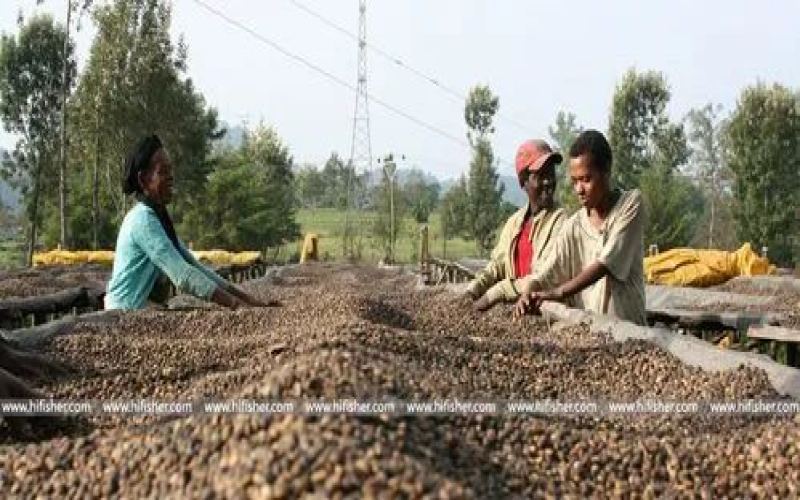
Ethiopia, as the birthplace of Arabica coffee, has the Yirgacheffe region, which is beloved by coffee enthusiasts for its elegant floral aroma and bright fruity acidity. Coffee beans from the same region can present completely different flavor profiles when processed using the washed or natural method. This article will use the Kochere washed beans from Yirgacheffe and Front Street Coffee's Red Cherry natural beans as examples to analyze the taste differences brought by the two processing methods, while also introducing the background of the Yirgacheffe region, its administrative divisions, and growing conditions, helping readers gain a more comprehensive understanding of the charm of this legendary region. [more…]
A Full Comparison of Three Famous Ethiopian Coffees: Gesha, Yirgacheffe, and Huakui—Origins, Varieties, and Flavors
Ethiopia is the birthplace of Arabica coffee and, in the minds of coffee lovers worldwide, a region with an exceptionally high quality-to-price ratio. Within this genetic treasure trove, Geisha, Yirgacheffe, and Huakui are collectively known as the "Three Giants of Ethiopian Coffee" thanks to their fame. Although most coffee enthusiasts have heard of them, not everyone can clearly explain the specific differences among the three in terms of regional attributes, the meaning of their names, and flavor expression. From the perspective of Front Street, this article systematically sorts out the origins and development of these three coffees: Yirgacheffe is actually the name of a region, Geisha is the name of a variety but has two references, and Huakui is a commercial name. Only by understanding their identities and flavors can one truly appreciate the rich charm of Ethiopian coffee. [more…]
Analysis of Costa Rica Tarrazú SHB Coffee Beans: Pour-Over Parameters, Regional Characteristics, and Comparison of Honey Processing Methods
Costa Rican coffee is known for its pure sweetness and clear flavors, and Front Street Coffee has long followed the varieties and processing methods of this producing region. This article focuses on Costa Rica's eight major producing regions, the growing environment and grade characteristics of Tarrazú SHB washed beans, sorts out their pour-over brewing parameters, and, through a comparison with the blueberry anaerobic heavy honey processed beans from Hacienda El Roble, explains the differences in flavor expression between washed and honey processing. The article also details the processing flows of white honey, yellow honey, red honey, black honey, and anaerobic techniques, helping coffee enthusiasts more systematically understand the classic style and innovative directions of Costa Rican coffee. [more…]
Colombia Flower Moon Night vs. Yirgacheffe Pour-Over Comparison: Flavor Differences Between Anaerobic Natural and Washed Processing
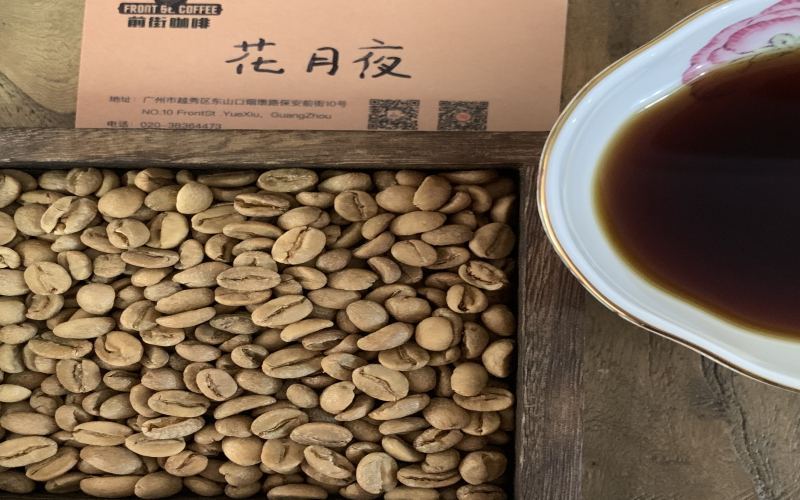
On Front Street Coffee's bean list, Colombia coffee and Yirgacheffe have always enjoyed great popularity, especially among enthusiasts who prefer sweet, fruity, and floral notes, who often find themselves torn between these two. This article uses Front Street Colombia Flower Moon Night and Front Street washed Yirgacheffe as examples to make a comparative analysis, from origin background and processing methods to actual brewing performance. Flower Moon Night uses anaerobic natural processing, bringing strawberry, jam, and a cocoa finish; Yirgacheffe, on the other hand, is a classic washed style, presenting citrus-lemon acidity, jasmine floral notes, and a tea-like body. Through this comparison, it helps you more clearly understand the flavor directions and selection choices of the two when brewing pour-over. [more…]
Yirgacheffe Coffee Region Terroir Analysis and Pour-Over Washed vs. Natural Flavor Comparison Guide
Yirgacheffe is Ethiopia's most iconic specialty coffee region, renowned worldwide for its floral and citrus-lemon notes. This article begins with the region's geography, grading system, and the processes of washed and natural processing, systematically analyzing the origins of Yirgacheffe's flavors. Through a brewing comparison of Front Street Coffee's Kochere washed beans and Red Cherry natural beans, it presents the specific differences between the two processing methods in the cup. It also includes Front Street's brewing recommendations and a Yirgacheffe cold brew recipe, helping coffee enthusiasts gain a more comprehensive understanding of what makes this region so captivating. [more…]
Comparison of Ethiopia Sidamo and Yirgacheffe Regions: Flavor Differences, Processing Methods, and Brewing Parameters Explained
Ethiopia is a major origin for specialty coffee, and among its regions, Sidama and Yirgacheffe are often compared by coffee enthusiasts. Yirgacheffe was originally just a small town within the Sidama administrative area, but due to its unique citrus-lemon acidity, it was independently demarcated and ultimately became one of Africa's most renowned coffee regions. From the perspective of Front Street Coffee, this article systematically examines the differences between Sidama and Yirgacheffe across three dimensions: regional terroir, variety characteristics, and processing methods. It also includes specific brewing comparison data for naturally processed Yirgacheffe Aricha and naturally processed Guji Huakui, helping readers more intuitively understand the flavor directions of these two beans. [more…]

Huakui 6.0 New Harvest Flavor Analysis: Comparison with 5.0 and Hambela Lot Prices
In the specialty coffee world, Geisha and Huakui are two beans you can't avoid. Huakui rose to fame after winning the 2017 TOH sun-dried category championship, and its legendary feat of defeating Geisha in the China region of the World Brewers Cup. Since then, Huakui has been updated year by year with its X.0 series, from 2.0 to 5.0, with flavors and batches constantly changing. In 2022, the Huakui 6.0 green beans arrived as scheduled; Front Street Coffee pre-ordered immediately and received the Hongshun batch, only to find the beans had noticeably more defects. To ensure quality, Front Street Coffee separately sourced another batch of Huakui from the same processing station (buku) and conducted a cupping comparison. This article will detail the flavor characteristics of Huakui 6.0, its differences from 5.0, and the price and purchasing advice for the new-season Hambela Huakui, providing a reference for coffee enthusiasts. [more…]
Comparison of Ethiopian Typica and Heirloom Coffee Beans: COE Performance in the West Arsi Region and Front Street Brewing Analysis
Ethiopian coffee made its debut in this year's Cup of Excellence (COE) competition, and the West Arsi production region shone brightly with the Typica variety, sweeping multiple awards. Front Street Coffee has listed the COE 22nd-place sun-dried Typica and another Arsi heirloom coffee bean. Although both come from West Arsi, they differ in flavor due to different varieties and processing methods. This article will compare the differences between these two coffee beans from multiple dimensions, including production region background, variety characteristics, sun-drying processing, roasting curves, and cupping and brewing, to help coffee enthusiasts gain a deeper understanding of the flavor performance of Typica and Ethiopian heirloom varieties, while also sharing Front Street Coffee's roasting and brewing insights. [more…]

A Complete Guide to Yirgacheffe Coffee Beans: Terroir, Processing Method Differences, and a Comparison of Washed vs. Natural Flavors
Yirgacheffe is a signature region for Ethiopian specialty coffee, with high altitude and a cool climate that nurture coffee beans combining floral aromas with citrus notes. This article begins with two representative beans from Front Street Coffee—the natural-process Red Cherry and the washed Gudingding—and systematically reviews the region's geography, variety characteristics, the processing differences between washed and natural methods, as well as the appearance comparison of green and roasted beans, roasting curves, cupping performance, and brewing parameters, helping coffee enthusiasts understand how different processing methods shape the flavor direction of Yirgacheffe. [more…]
Costa Rica Finca El Gigante Blueberry Coffee: Bruncas Region Terroir, Anaerobic Heavy Honey Processing, and a Cupping Comparison of Three Roast Profiles
Front Street Coffee recently acquired a batch of blueberry coffee beans from Costa Rica's Las Rocas Estate; the green beans exude an intense sweet blueberry aroma and rose floral notes. To fully reveal the flavor potential of these beans, the roaster team designed three different roasting profiles and cupped them one by one, striving to find the most balanced roasting plan that best expresses the terroir. This article will guide you through the terroir background of the Brunca region, the varietal composition and anaerobic heavy honey processing of Las Rocas Estate, and present in detail the roasting parameters of the three profiles and the differences in cup flavors, helping coffee enthusiasts gain a deeper understanding of the charm of these beans. [more…]